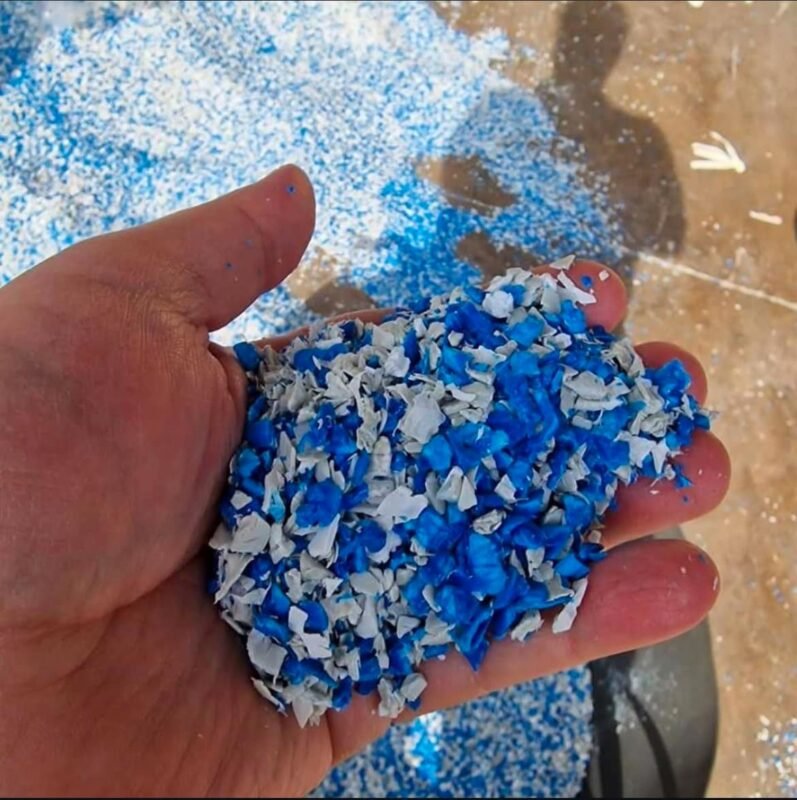
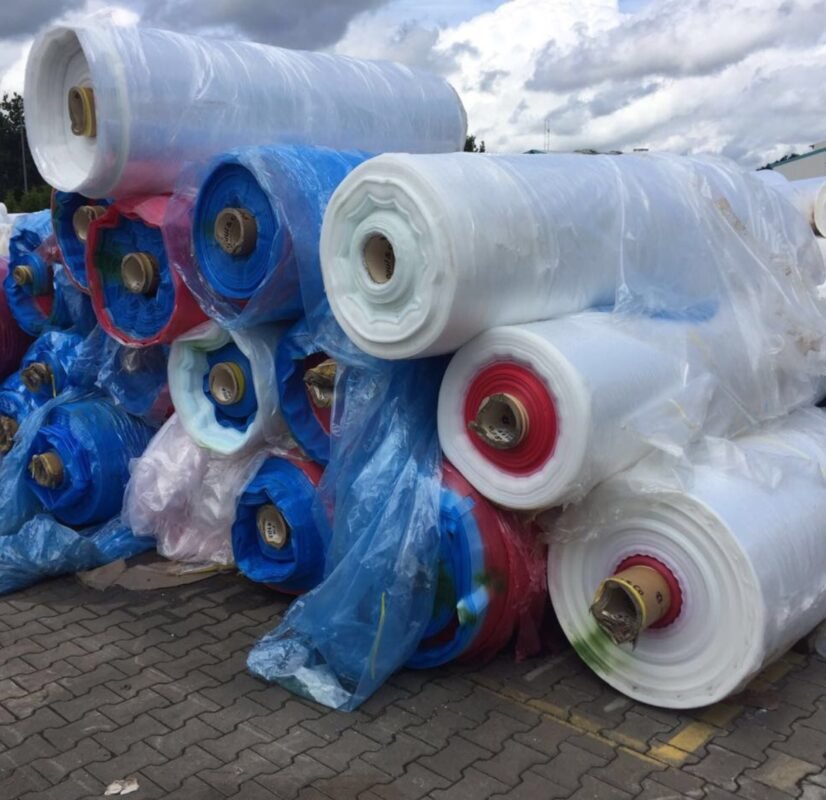
HDPE (High-Density Polyethylene) flake scrap is widely used in the recycling industry to create sustainable and environmentally friendly products. These flakes are processed and transformed into a variety of applications, including:
 
Plastic Bottles and Containers – Reused to produce new bottles, jugs, and storage containers.
Pipes and Ducts – Used to make durable pipes for plumbing, irrigation, and construction.
Plastic Lumber and Pallets – Used to create strong, weather-resistant outdoor furniture and pallets.
Automotive Parts – Integrated into vehicle components such as fuel tanks and bumpers.
Textiles and Fibers – Converted into synthetic fibers for bags, ropes, and fabrics.
Recycling HDPE flakes helps reduce plastic waste, lower production costs, and promote environmental sustainability.
Uses of LDPE Scrap
 
Low-density polyethylene (LDPE) scrap is widely recycled and reused for a variety of applications, including:
 
Plastic Bags and Packaging – Recycled LDPE is used to produce shopping bags, garbage bags, and shrink wrap.
Piping and Construction Materials – LDPE scrap is used in irrigation pipes, geomembranes, and insulation materials.
Plastic Lumber and Outdoor Furniture – Recycled LDPE is molded into durable, weather-resistant products.
Automotive and Industrial Uses – Used in car parts, industrial linings, and protective films.
Recycling LDPE scrap helps reduce environmental waste and promotes sustainable manufacturing practices.

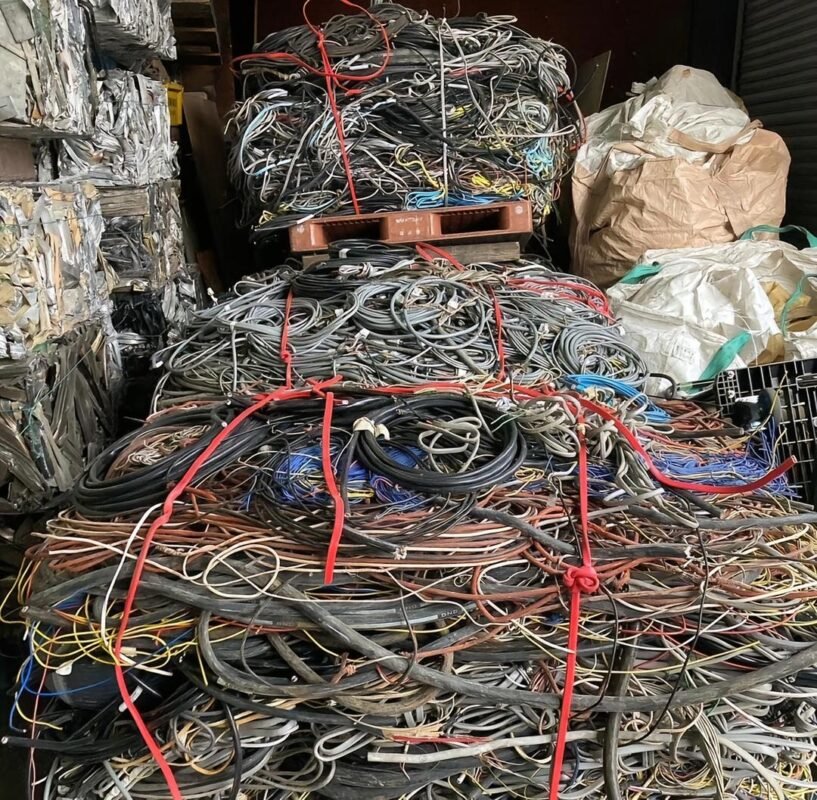
Insulated copper wire scrap is highly valuable for recycling and reuse. It is typically stripped to extract pure copper, which is then used in electrical wiring, plumbing, and industrial applications. Many recycling centers and scrap dealers purchase insulated copper wire to convert it into reusable metal, reducing waste and promoting sustainability. Additionally, some DIY enthusiasts and craftspeople reuse it for creative projects such as jewelry making or crafts. Selling or recycling insulated copper wire scrap is an eco-friendly way to recover valuable materials and minimize environmental impact.

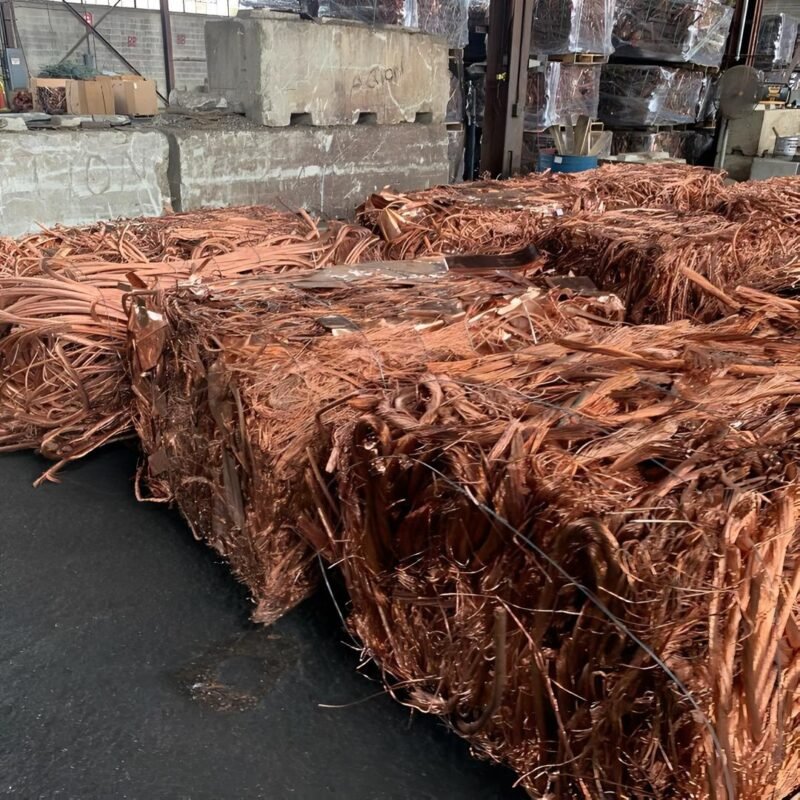
Scrap copper wire is highly valuable due to its excellent conductivity and recyclability. It is widely used in the manufacture of electrical components, wiring, cables, motors, and transformers. Recycled copper wire is also important in plumbing, construction, and the production of electronic devices. By reusing scrap copper, industries reduce waste, conserve natural resources, and lower production costs, making it an environmentally friendly and cost-effective material for various applications.
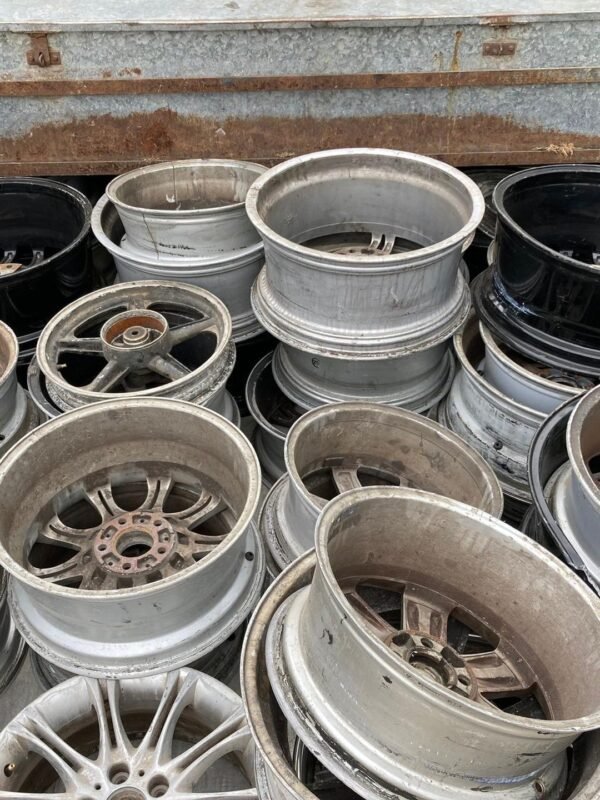
Aluminum Extrusion Wheel Scrap
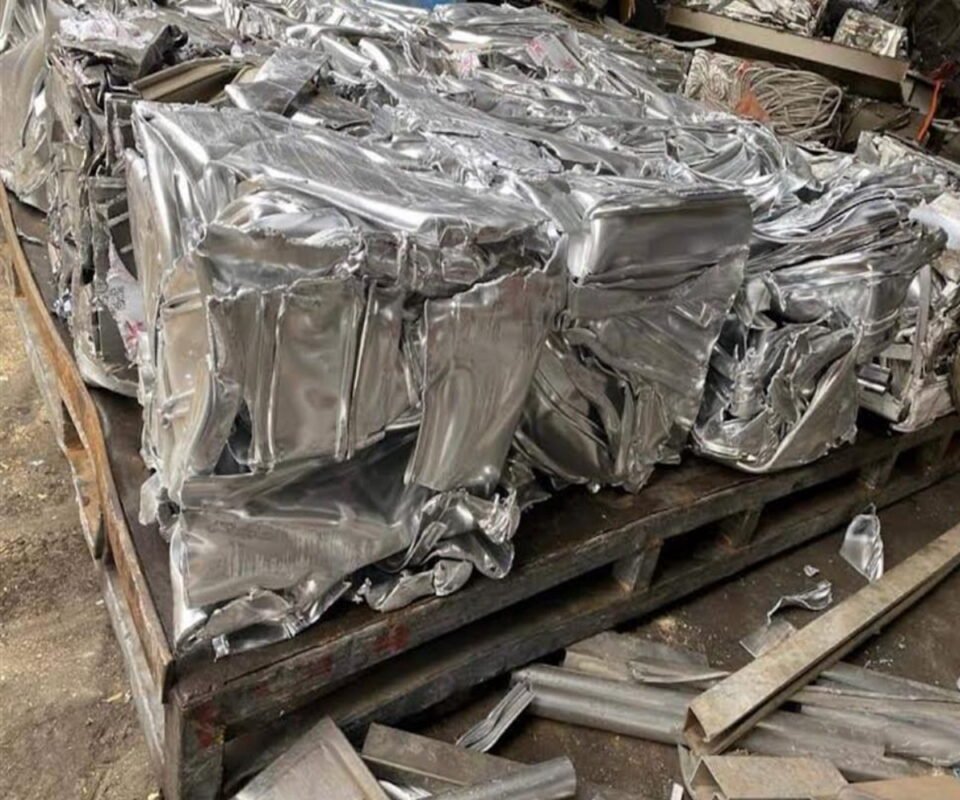
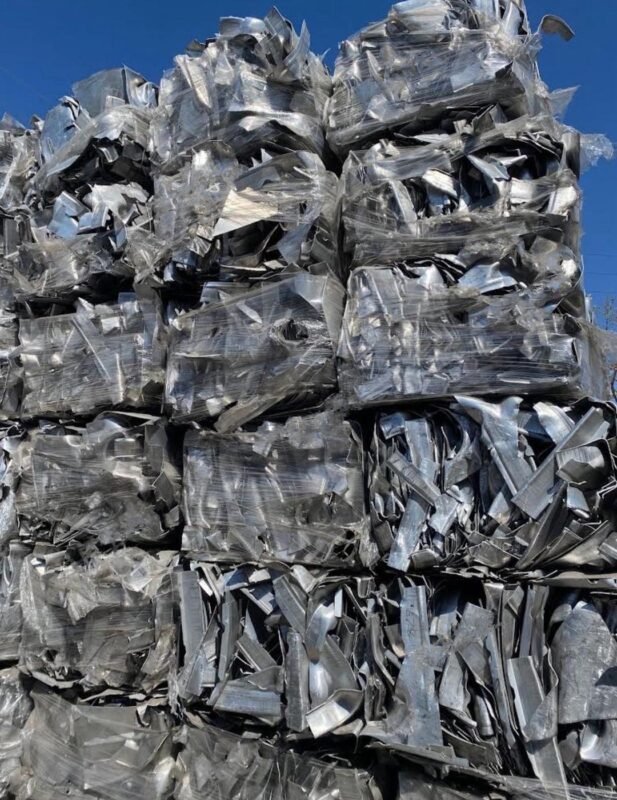
Aluminum extrusion wheel scrap is a high-quality, recyclable material obtained from used aluminum wheels. Known for its durability, corrosion resistance, and lightweight properties, this scrap is ideal for remelting and producing new aluminum products. It is widely used in industries such as automotive, aerospace, and construction, offering a sustainable and cost-effective solution for aluminum production.
Uses of Aluminum Ingot Scrap
 
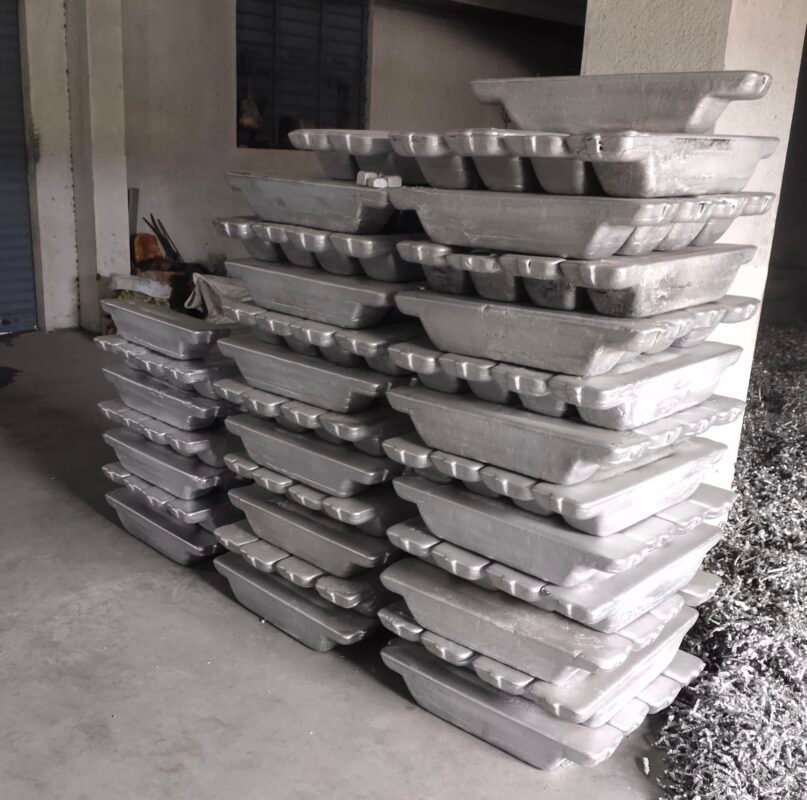
Aluminum ingot scrap is a valuable raw material widely used in various industries due to its recyclability and cost-effectiveness. It is commonly used in:
 
Manufacturing: Used to produce new aluminum products such as automotive parts, appliances, and construction materials.
Aerospace and Automotive: Essential for lightweight, high-strength components that improve fuel efficiency.
Foundries and Castings: Melted and transformed into new ingots or specialized components.
Electronics and Packaging: Used in the manufacture of cases, heat sinks, and recyclable aluminum packaging.
Recycling aluminum ingot scrap helps reduce waste, save energy, and support sustainable production.
Uses of Aluminum Can Scrap
 
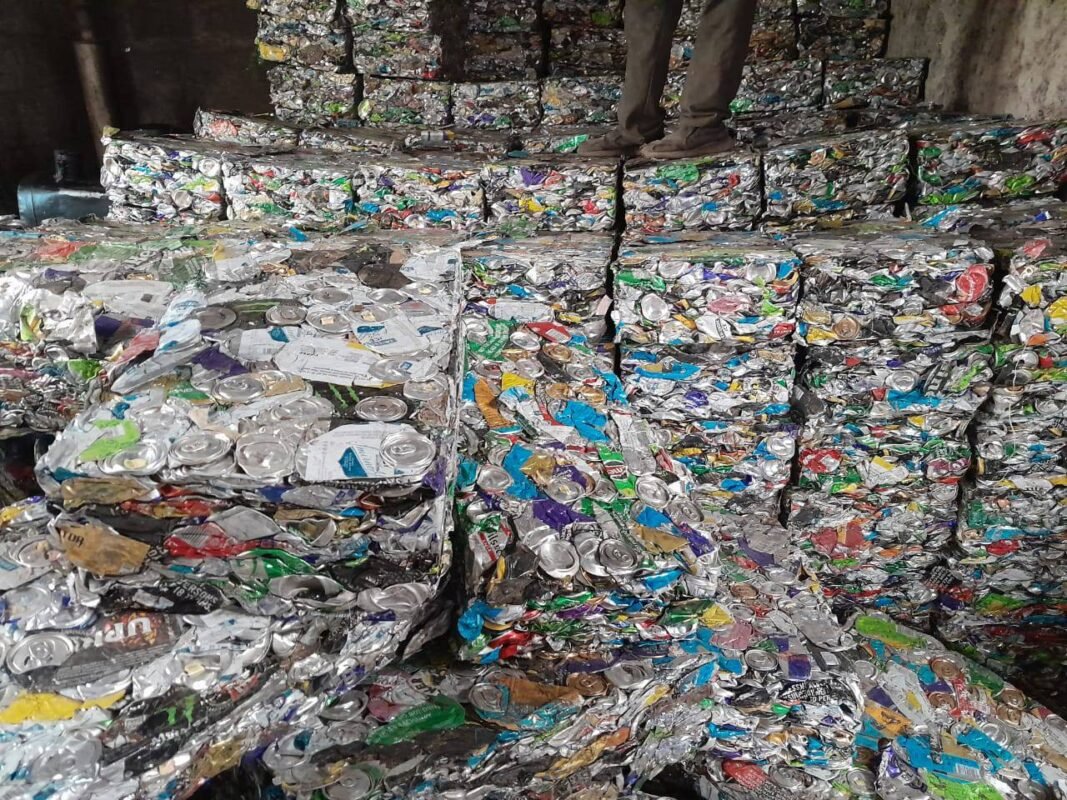
Recycling aluminum can scrap is an environmentally friendly and cost-effective way to reuse waste. It is commonly used in the production of new beverage cans, automotive parts, construction materials, and household goods. Aluminum recycling saves energy, reduces landfill waste, and supports a sustainable circular economy. Businesses and individuals can benefit by selling or reusing scrap aluminum, making it a valuable resource for both the environment and the economy.

Common Applications of 6111 Aluminum
Automotive Industry
Body panels (doors, hoods, trunk lids)
Structural reinforcements
Wheels and chassis components
Aerospace Applications
Boat hulls and superstructures
Corrosion-resistant fittings and frames
Industrial and Manufacturing
Lightweight, high-strength machine parts
Structural support components
High-performance housings and cases
Consumer Electronics
Durable and lightweight laptop cases
Smartphone frames
Construction and Architecture
Bicycle frames
High-performance gear components
This alloy is highly valued due to its high strength-to-weight ratio, excellent corrosion resistance, weldability, and recyclability, making it an environmentally friendly choice in many industries.
HMS 1 and 2 Railway Rail Steel Scrap
 
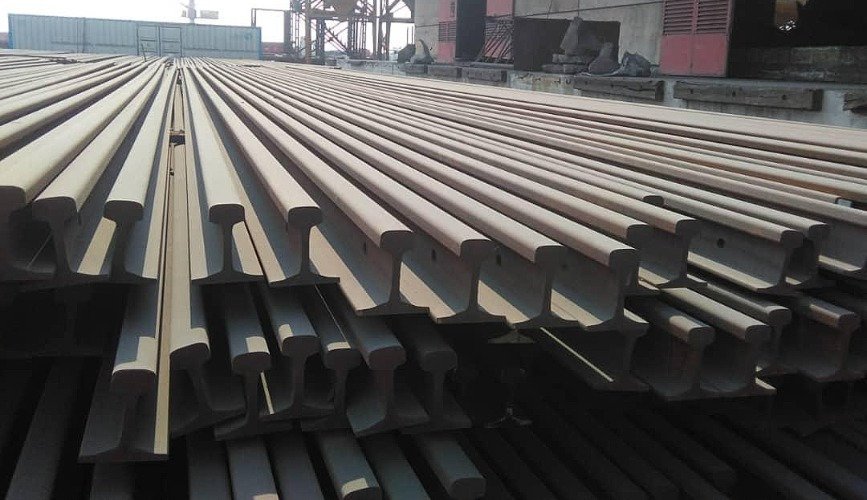
We supply high-quality HMS 1 and 2 railway rail steel scrap obtained from decommissioned railway lines. This scrap is ideal for recycling and transforming into new steel products, offering cost-effective and sustainable solutions for various industries. Our railway rail scrap meets international standards, providing durability and reliability for smelting, manufacturing, and construction applications.
 
Let me know if you need any modifications!
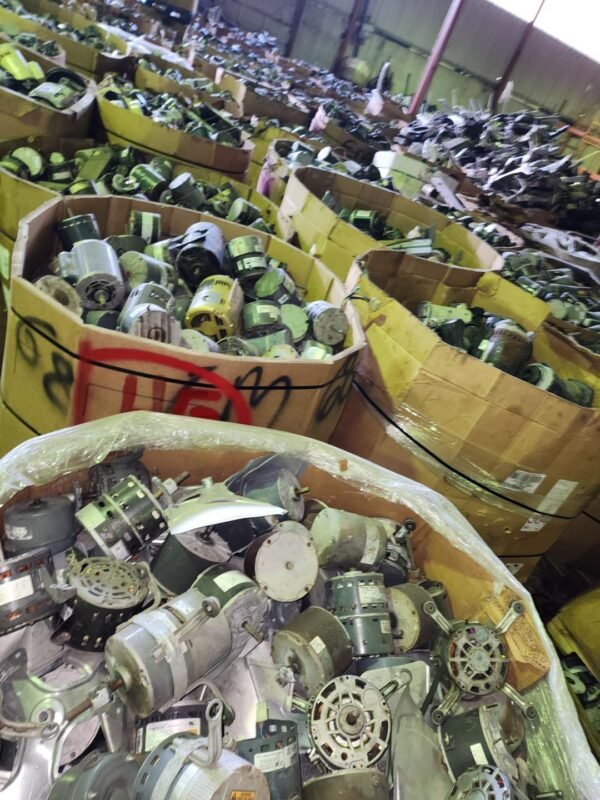
Uses of Electric Motor Scrap
 
Electric motor scrap is a valuable resource in the recycling industry. It contains copper, aluminum, and steel that can be recovered and reused in various applications. Copper windings are particularly valuable for electrical cables and new motor production. Recycled aluminum and steel can be used in the automotive, construction, and manufacturing industries. Furthermore, reused motor components are often employed in DIY projects, small-scale generators, and creative recycling initiatives. Recycling electric motor scrap reduces environmental waste and conserves natural resources, making it an eco-friendly option.
6063 alüminyum hurdası, mükemmel korozyon direnci, hafif özellikleri ve yüksek mukavemeti nedeniyle geri dönüşüm ve üretimde yaygın olarak kullanılır. Genellikle şu amaçlarla yeniden kullanılır:
 
Ekstrüzyonlar – Pencere çerçevelerinde, kapılarda ve yapısal uygulamalarda kullanılır.
Otomotiv Parçaları – Hafif araç bileşenleri için idealdir.
İnşaat – Korkuluklarda, çerçevelerde ve mimari yapılarda kullanılır.
Elektronik – Isı emiciler ve muhafazalar için uygundur.
6063 alüminyum hurdasının geri dönüşümü, atığı azaltmaya, enerji tasarrufu sağlamaya ve sürdürülebilir üretimi desteklemeye yardımcı olur.
Pirinç Hurdası: Kullanımları ve Faydaları
 
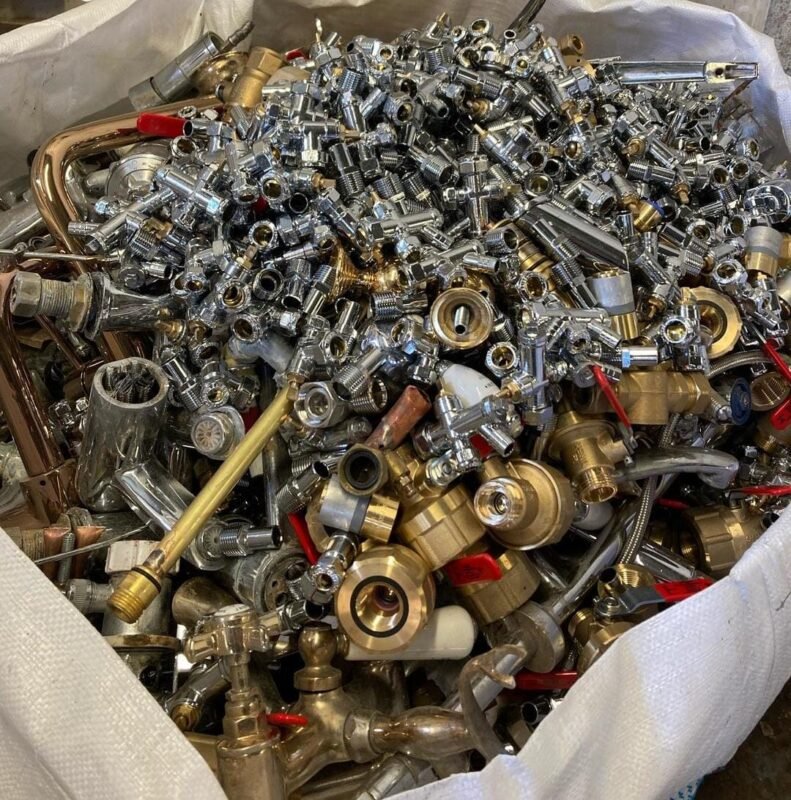
Pirinç hurdası, dayanıklılığı ve korozyon direnciyle bilinen bakır ve çinkonun geri dönüştürülebilir bir metal alaşımıdır. Pirinç geri dönüşümü kaynakların korunmasına ve atıkların azaltılmasına yardımcı olur.
Pirinç Hurdasının Kaynakları
Yaygın kaynaklar arasında sıhhi tesisat armatürleri, elektrikli bileşenler, otomobil parçaları, müzik aletleri, endüstriyel makineler ve ev eşyaları bulunur.
Geri Dönüştürülmüş Pirinç Kullanımları
Geri dönüştürülmüş pirinç, sıhhi tesisat armatürleri, otomobil bileşenleri, inşaat malzemeleri, mühimmat ve dekoratif ürünlerin üretiminde kullanılır.
Pirinç Geri Dönüşümünün Avantajları
Çevre Dostu – Madenciliği azaltır ve kaynakları korur.
Enerji Verimliliği – Yeni pirinç üretmekten daha az enerji gerektirir.
Maliyet Etkin – Üreticiler için malzeme maliyetlerini düşürür.
Dayanıklı – Kaliteyi kaybetmeden birden fazla kez geri dönüştürülebilir.
Battery Scrap and Its Uses
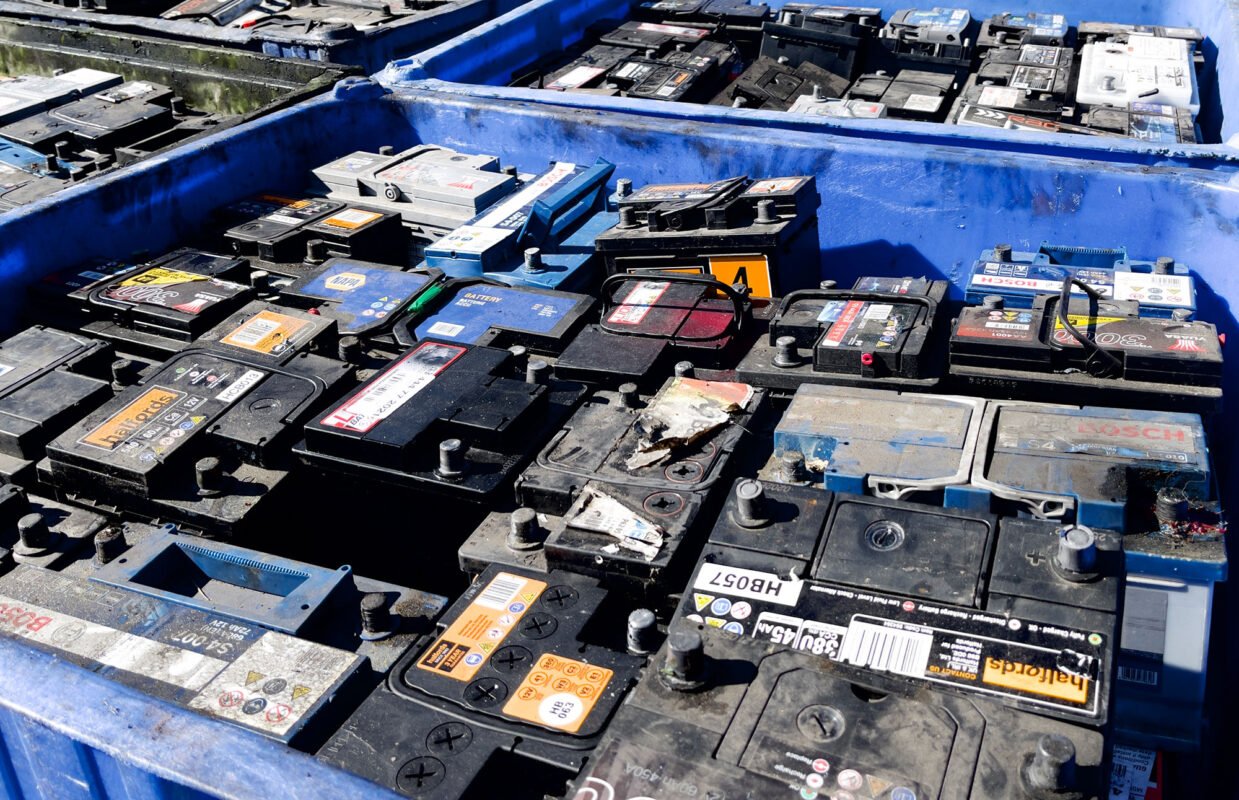
Battery scrap refers to discarded or used batteries collected for recycling. These include lead-acid, lithium-ion, nickel-cadmium, and other battery types commonly used in vehicles, electronic devices, and industrial applications.
 
Recycling battery scrap is crucial for environmental sustainability and resource conservation. This process helps recover valuable metals such as lead, lithium, cobalt, and nickel, which can be reused in the production of new batteries and other products. Proper recycling also prevents hazardous materials from polluting the environment and reduces reliance on mining for raw materials.
 
Battery scrap plays a vital role in the circular economy by supporting industries such as renewable energy, automotive, and electronics manufacturing. As global demand for batteries increases, responsible recycling is essential for a greener and more sustainable future.
CPU Scrap and Its Uses
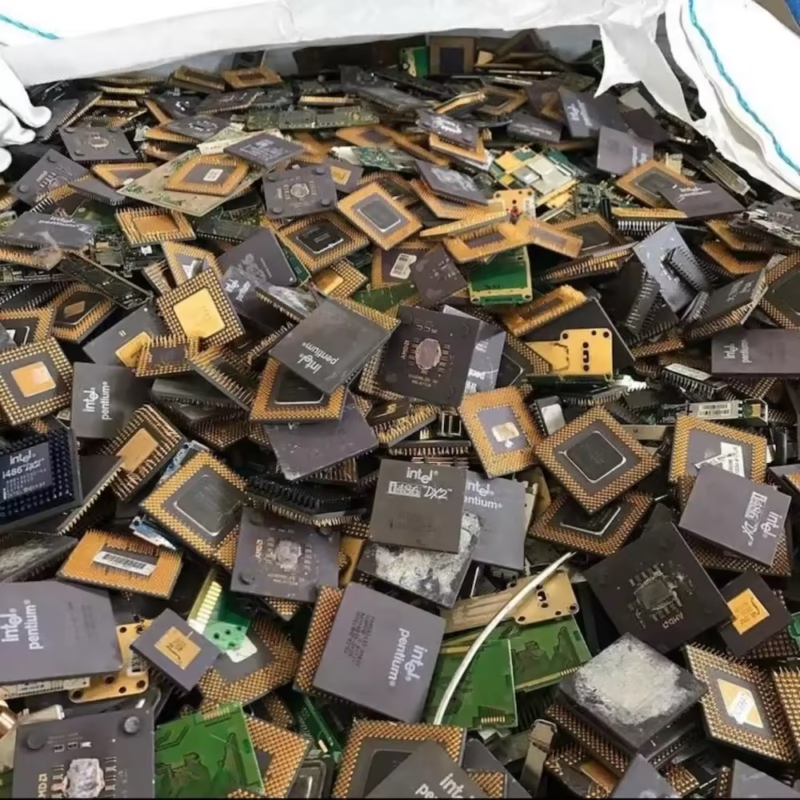
CPU scrap refers to discarded or obsolete central processing units (CPUs) that are no longer functional or needed. These components contain valuable materials such as gold, silver, palladium, and copper that can be extracted and recycled.
 
Uses of CPU Scrap:
Precious Metal Recovery – Refining companies extract gold and other metals for reuse in electronics and jewelry.
Electronic Recycling – Recovered materials are used to produce new electronic components.
E-Waste Management – ​​Recycling CPU scrap helps reduce environmental pollution and promotes sustainable waste disposal.
DIY and Art Projects – Some enthusiasts reuse old CPUs for creative projects or educational purposes.
Properly recycling CPU scrap not only conserves natural resources but also reduces e-waste, making it an environmentally conscious practice.
CPU Gold Pin Scrap and Its Uses
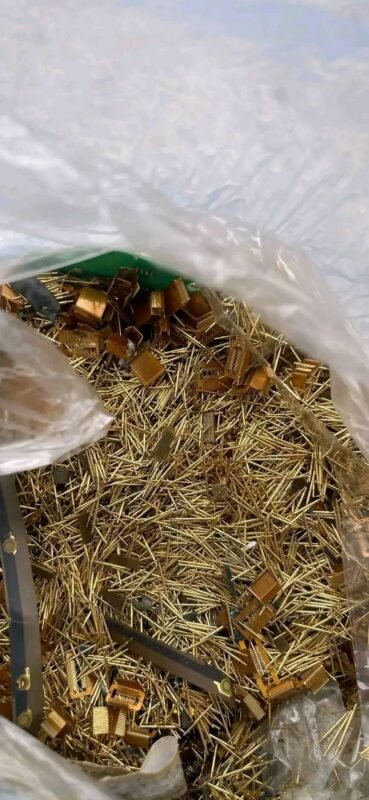
CPU gold pin scrap refers to the small gold-plated connectors found in computer processors (CPUs). These pins contain a thin layer of gold, valued for its excellent conductivity and corrosion resistance.
 
Uses of CPU Gold Pin Scrap:
 
Gold Recovery and Refining – The primary use is to extract gold through chemical processes, then purify and reuse it.
Electronics Manufacturing – Recycled gold is used in new circuit boards, connectors, and semiconductor components.
Jewelry and Investment – ​​Recovered gold can be refined for jewelry making or stored as a valuable commodity.
Industrial Applications – Gold recovered from CPU scrap is used in aerospace, medical devices, and high-precision electrical contacts.
Recycling CPU gold pins not only provides a financial return but also contributes to sustainable e-waste management by reducing the need for new gold extraction.

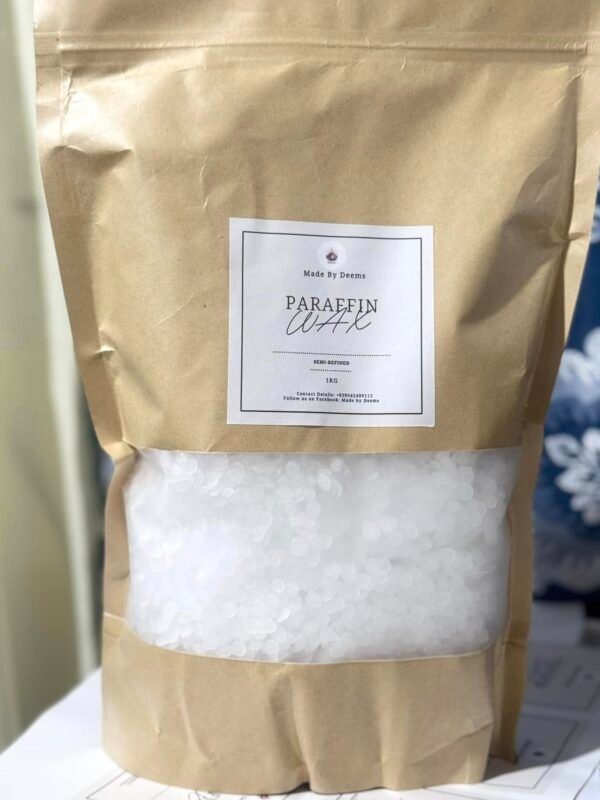
Our top-quality, fully refined paraffin wax is ideal for a variety of applications including candle making, cosmetics, packaging, and industrial uses. Its high purity and low fat content ensure a clean burn in candles, improve the texture of creams and lotions, provide a protective coating for food packaging, and act as a lubricant in production. Our premium paraffin wax guarantees consistency, reliability, and superior performance for all your needs.